-
Lakrids Berries - Sea Buckthorn Chocolate Coated Licorice
Regular price $26.95 USDRegular priceUnit price per$0.00 USDSale price $26.95 USD -
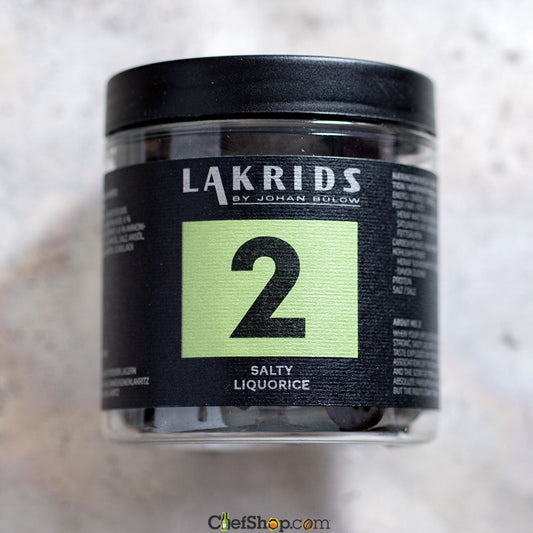
Lakrids by Bülow 2 Salty Licorice
Regular price $14.55 USDRegular priceUnit price per$0.00 USDSale price $14.55 USD -
Lakrids by Bülow 1 Sweet Licorice
Regular price $13.55 USDRegular priceUnit price per$0.00 USDSale price $13.55 USD -
Favols Pruneaux d'Agen Recette Armagnac (Agen Prunes with Armagnac Prune Cream)
Regular price $36.95 USDRegular priceUnit price per$0.00 USDSale price $36.95 USD -
Favols Pruneaux d'Agen Recette Crème de Pruneau (Prunes with Prune Cream)
Regular price $36.95 USDRegular priceUnit price per$0.00 USDSale price $36.95 USD -
Favols Pruneaux d'Agen Recette Zestes d'Orange (Agen Prunes with Orange Zest Prune Cream)
Regular price $36.95 USDRegular priceUnit price per$0.00 USDSale price $36.95 USD -
Flamigni Soft Pistachio Torrone Wedge
Regular price $21.95 USDRegular priceUnit price per$0.00 USDSale price $21.95 USD -
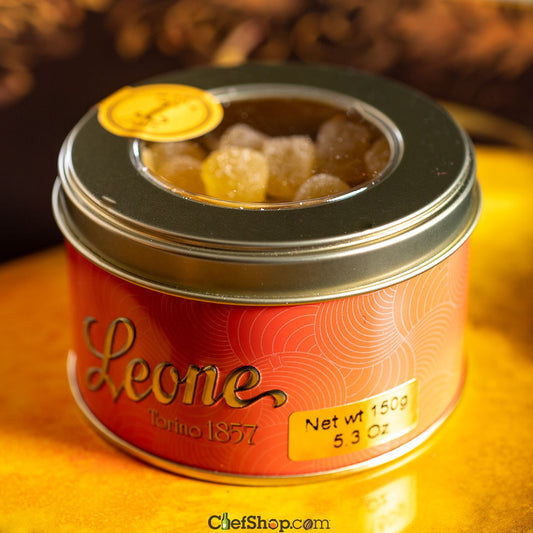
Leone Blood Orange Fruit Jelly Drops in a Tin
Regular price $15.95 USDRegular priceUnit price per$0.00 USDSale price $15.95 USD -
Leone Lemon Fruit Jelly Drops in Tin
Regular price $15.95 USDRegular priceUnit price per$0.00 USDSale price $15.95 USD -
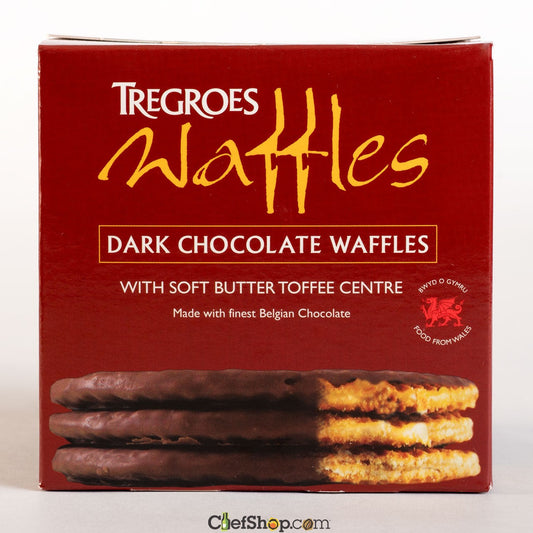
Tregroes Butter Chocolate Waffle Cookies
Regular price $9.95 USDRegular priceUnit price per$0.00 USDSale price $9.95 USD -
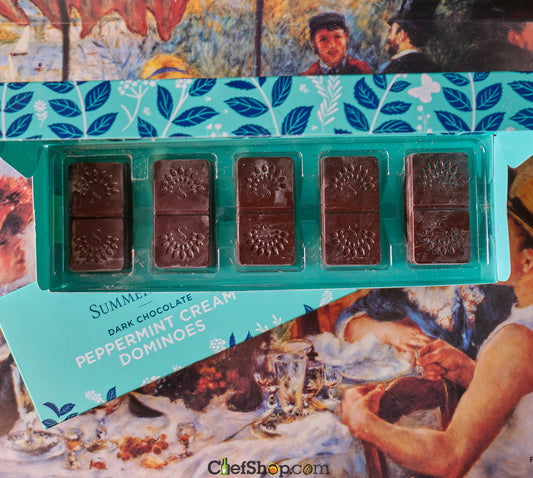
Summerdown Dark Chocolate Peppermint Cream Dominoes
Regular price $21.55 USDRegular priceUnit price per$0.00 USDSale price $21.55 USD -
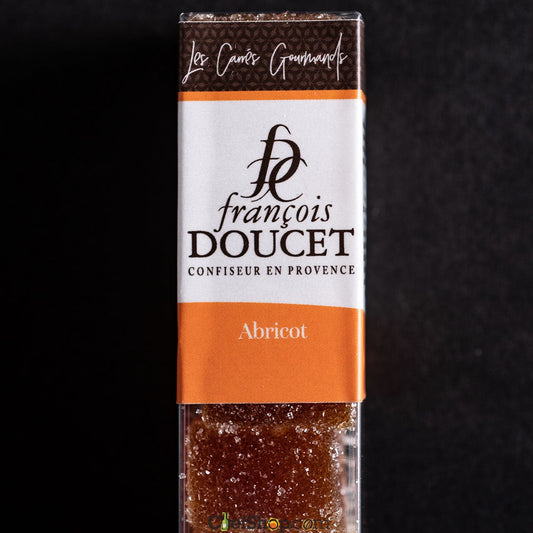
Francois Doucet Abricot Pates de Fruits - 9 Apricot
Regular price $15.95 USDRegular priceUnit price per$0.00 USDSale price $15.95 USD -
Francois Doucet Framboise Pates de Fruits - 9 Raspberry
Regular price $15.95 USDRegular priceUnit price per$0.00 USDSale price $15.95 USD -
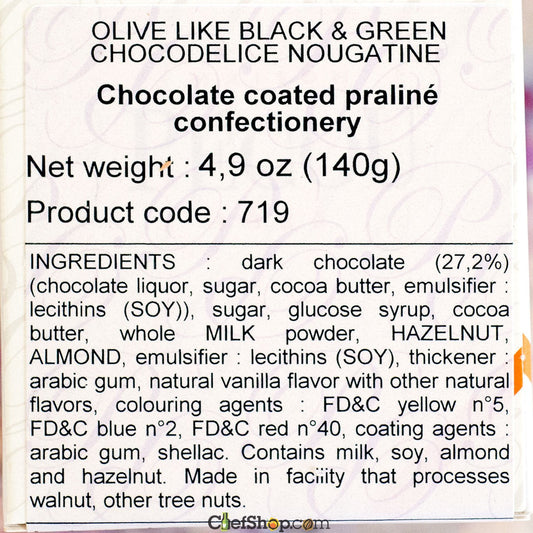
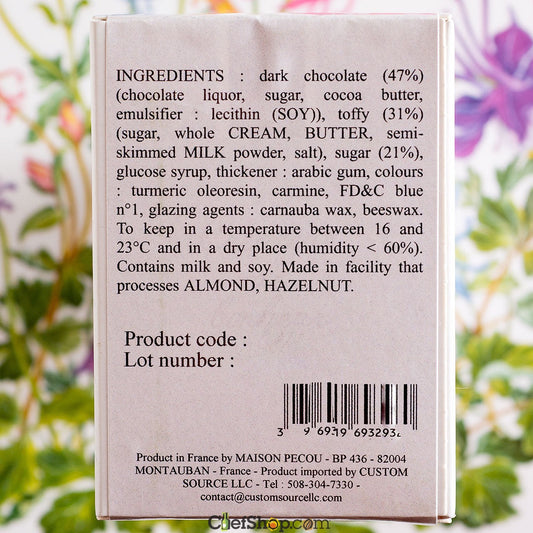
Pecou Olive-like Black & Green Chocolate Covered Praline
Regular price $16.95 USDRegular priceUnit price per$0.00 USDSale price $16.95 USD -
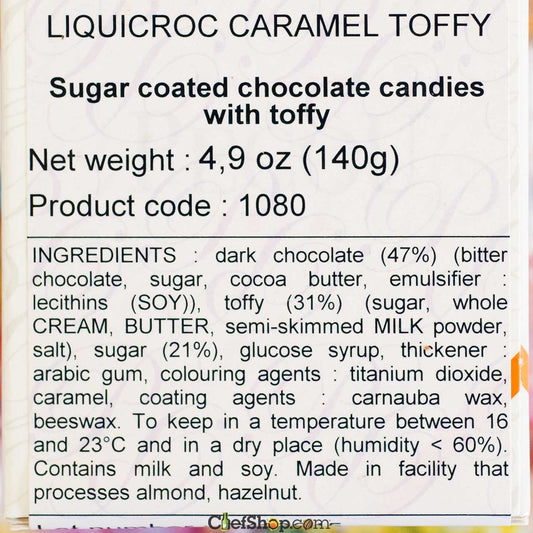
Pecou LiquiCroc Caramel Dragees
Regular price $14.55 USDRegular priceUnit price per$0.00 USDSale price $14.55 USD -
Pecou Liquicroc Caramel Arlequin Assorted Dragees
Regular price $14.55 USDRegular priceUnit price per$0.00 USDSale price $14.55 USD -
Mon Pari Caramels al la Fleur de Sel
Regular price $21.95 USDRegular priceUnit price per$0.00 USDSale price $21.95 USD -
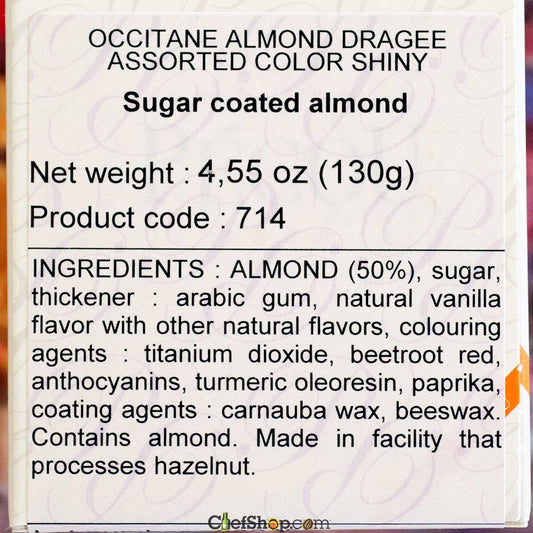
Pecou Assorted Almond Dragees
Regular price $10.95 USDRegular priceUnit price per$0.00 USDSale price $10.95 USD -
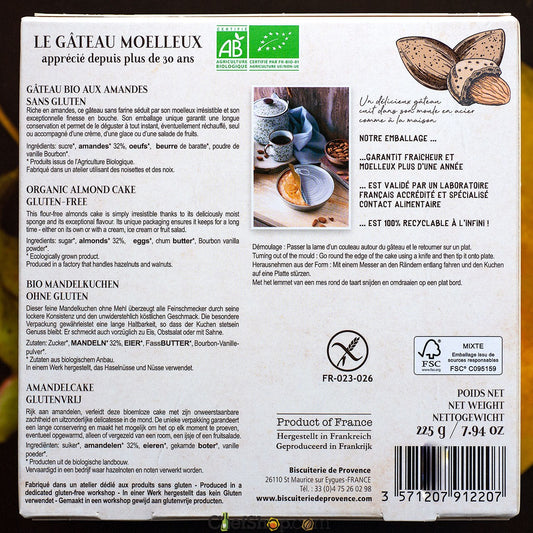
Biscuiterie de Provence Organic Almond Cake - Flourless
Regular price $18.95 USDRegular priceUnit price per$0.00 USDSale price $18.95 USD -
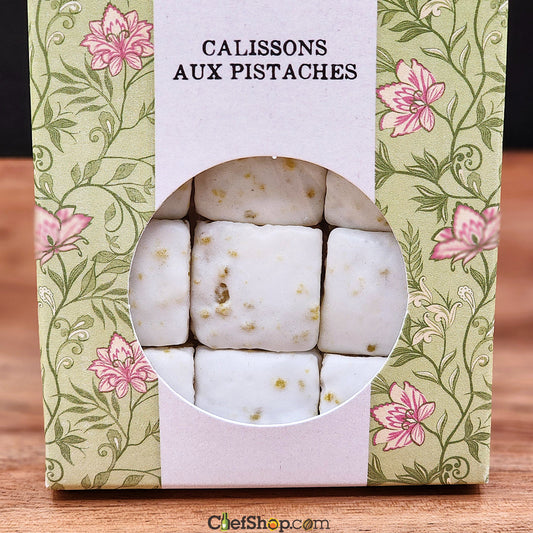
Le Petit Duc Calissons with Pistachio
Regular price $16.95 USDRegular priceUnit price per$0.00 USDSale price $16.95 USD -
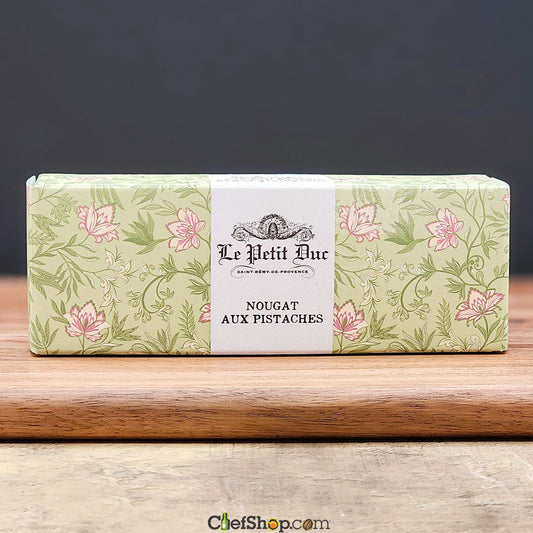
Le Petit Duc French Pistachio Nougat Aux Pistaches
Regular price $15.95 USDRegular priceUnit price per$0.00 USDSale price $15.95 USD -
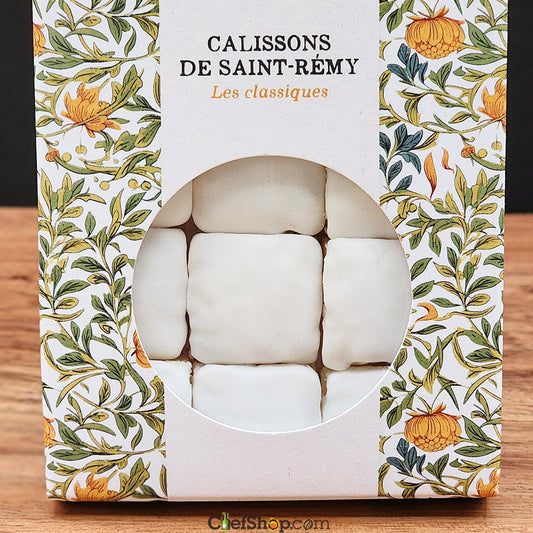
Le Petit Duc Calissons de Saint-Rémy (Almond Calissons)
Regular price $14.95 USDRegular priceUnit price per$0.00 USDSale price $14.95 USD -
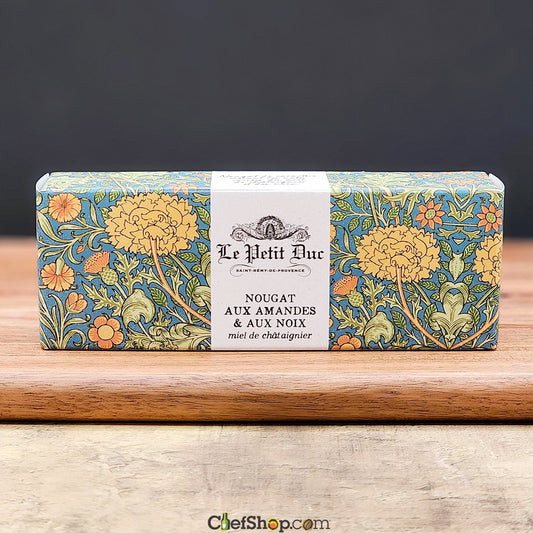
Le Petit Duc Saint-Rémy Almond and Walnut Nougat
Regular price $14.55 USDRegular priceUnit price per$0.00 USDSale price $14.55 USD -
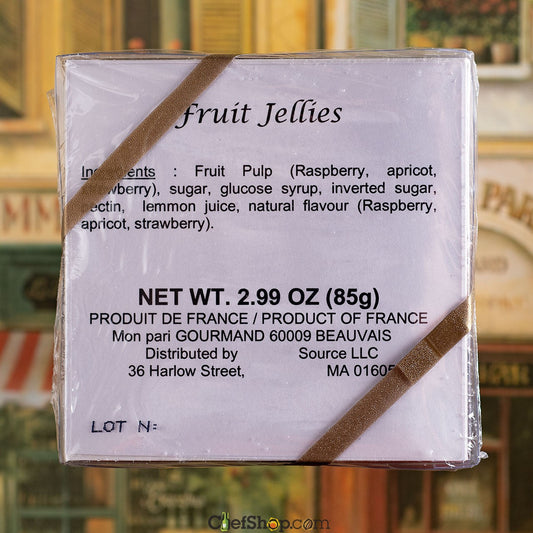
Mon Pari Pâtes de Fruits (French Fruit Jellies) - 9-Piece Box
Regular price $12.95 USDRegular priceUnit price per$0.00 USDSale price $12.95 USD -
Guerande Salt Butter Caramels Tendres - Squares
Regular price $16.95 USDRegular priceUnit price per$0.00 USDSale price $16.95 USD